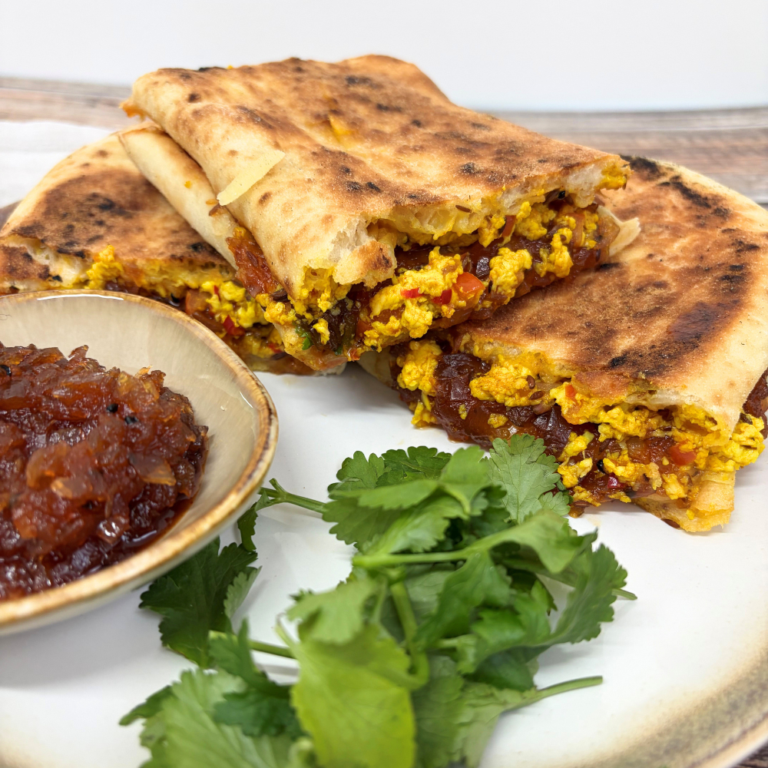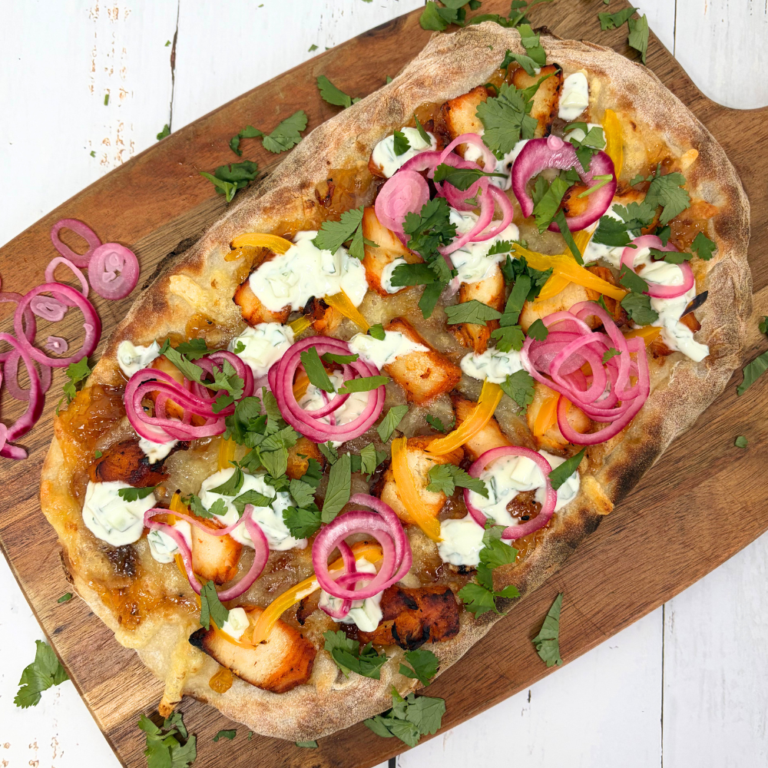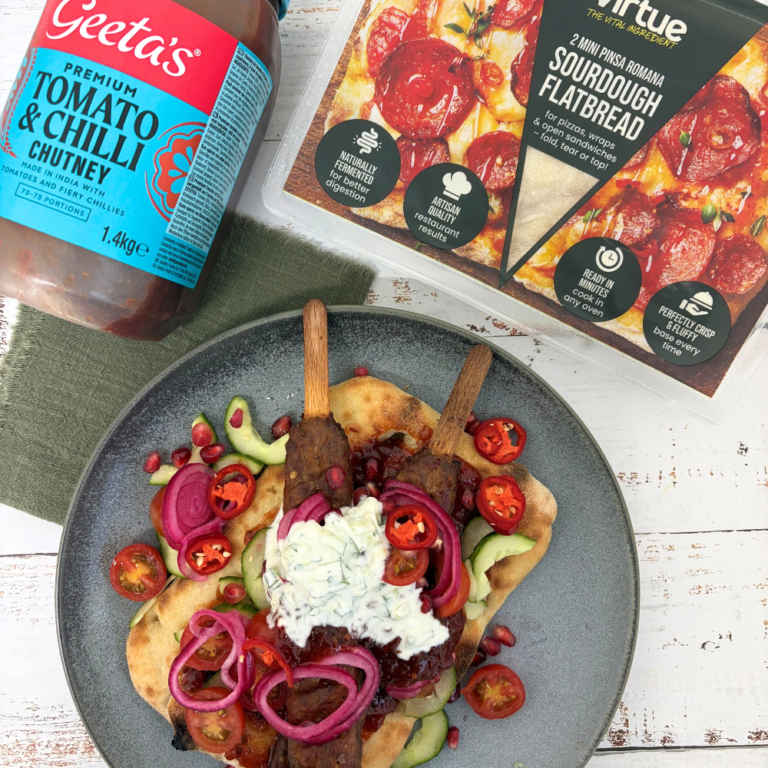
Par-baked pizza bases have been partially cooked to set their shape and structure, then cooled and packed so the final bake can be completed after toppings are added. For hospitality kitchens, they offer a faster and more consistent alternative to making and proving fresh dough during service. Virtue’s ambient pre-stretched pizza bases are ready to top and finish, helping chefs serve crisp, artisan-style pizza with less preparation and no chilled or frozen storage for unopened packs.
For busy hospitality kitchens
Explore Virtue’s ambient, par-baked bases for faster service, easier stock control and consistent results across every shift.
What Does Par-Baked Mean?
“Par-baked” is short for “partially baked”. The dough receives an initial bake that develops and sets the base without completing the final colour and crispness. Once sauce, cheese and toppings are added, a second, shorter bake finishes the crust and heats the pizza through.
This gives chefs the convenience of a prepared base while keeping control over the final toppings, finish and menu presentation. Because the base has already been shaped and stabilised, it is easier to handle than raw dough and less dependent on proving conditions or specialist dough skills during service.
How Are Par-Baked Pizza Bases Made?
The exact recipe and timings vary by product, but the core process follows five stages:
- Dough preparation: Flour, water, yeast and salt are mixed to create the dough. Fermentation develops flavour and texture.
- Portioning and shaping: The dough is divided and formed into the required size and style. Virtue’s artisan bases are hand-stretched for a natural appearance.
- Partial baking: The shaped dough receives a controlled first bake. This sets the structure while leaving the base ready for its final bake.
- Cooling: The bases are cooled before packing so the baking process does not continue and the finished texture is protected.
- Protective packaging: Virtue uses modified-atmosphere packaging to support a long ambient shelf life without taking up fridge or freezer space. Always follow the storage and use-by guidance on the individual pack.
Why Commercial Kitchens Use Par-Baked Pizza Bases
For restaurants, pubs, hotels, cafés, caterers and leisure venues, par-baked bases remove several labour-intensive stages from pizza preparation. Teams can focus on toppings, finishing and presentation instead of mixing, portioning, proving and stretching dough for every service.
Less Preparation Before Service
A prepared base can move from pack to topping station without dough mixing, dividing or proving. That shortens mise en place and makes it easier to add pizza to a menu in kitchens without a dedicated pizzaiolo. Final cooking times vary by base, toppings and oven, so chefs should use the product-specific instructions rather than one universal time or temperature.
Consistent Size, Texture and Portion Control
Pre-shaped bases give teams a repeatable starting point across different shifts and sites. Consistent dimensions support predictable topping quantities, plating and food cost, while the par-baked structure helps each pizza cook more evenly when the same finishing method is followed.
Ambient Storage and Easier Stock Control
Unopened Virtue ambient bases do not compete for chilled or frozen space. This can be particularly useful in compact kitchens, event operations and multi-site businesses. Store packs as directed and check the use-by date; after opening, follow the pack instructions. For more detail, see why chefs choose ambient products.
Less Waste and Fewer Write-Offs
Long ambient shelf life and individually planned portions help kitchens match stock to demand more closely. Operators can open the quantity needed for service instead of over-preparing fresh dough that may become over-proved or unusable. Reduced write-offs depend on sound stock rotation, portion control and correct storage.
Reliable Service with a Smaller Skills Burden
Because stretching and the first bake have already been completed, team members can reproduce the same method with less specialist dough handling. This supports training, cover across shifts and faster execution when orders peak, while chefs retain control of sauces, toppings and final finish.
Par-Baked Pizza Bases vs Fresh Dough
Factor | Par-baked bases | Fresh dough |
Preparation | Ready to top and finish; no mixing, dividing, proving or stretching during service. | Requires dough preparation or thawing, temperature control, proving and stretching. |
Consistency | Pre-shaped format supports repeatable portions and finish. | Can vary with fermentation, temperature, handling and staff experience. |
Storage | Virtue ambient bases can be stored without chilled or frozen space while unopened. | Usually needs controlled chilled or frozen storage, depending on the format. |
Waste control | Long shelf life and easy portion planning can reduce write-offs. | Over-proving or inaccurate forecasting can create waste. |
Flexibility | Fast, simple execution across pubs, hotels, events and multi-site kitchens. | Greater control over dough recipe and shaping where time, skill and equipment are available. |
Neither format is automatically right for every operation. Kitchens prioritising speed, ambient storage and repeatability may prefer par-baked bases, while teams built around dough craft may choose fresh or frozen dough. Compare frozen, fresh and part-baked pizza bases before deciding which workflow best fits your menu.
Who Are Par-Baked Pizza Bases Best For?
Par-baked bases are particularly useful where pizza must be served quickly and consistently without adding a full dough-production process. Common settings include:
- Pubs and bars introducing pizza, sharing plates or late-night food.
- Hotels balancing room service, bar menus, events and banqueting.
- Restaurants and cafés needing consistent lunch or all-day service.
- Caterers, food trucks and pop-ups working with limited preparation space.
- Leisure venues and stadiums serving high order volumes in short periods.
- Multi-site operators that need a repeatable method across locations.
How to Store and Prepare Par-Baked Pizza Bases
Keep unopened Virtue ambient bases in the conditions stated on the pack, away from heat and moisture, and rotate stock by date. They do not need chilled or frozen storage while unopened and the pinsa romana bases have a 3 month shelf life from manufacturing. Once a pack is opened, follow its specific storage and use instructions; do not assume the unopened shelf life still applies.
For service, preheat the chosen oven, add sauce and toppings in balanced quantities, then finish the pizza according to the instructions for that base and appliance. Avoid excessive wet or heavy toppings, which can slow the bake and soften the centre. Operators using rapid-cook equipment can also review the guide to cooking par-baked pizza bases in a TurboChef Fire oven.
Using rapid-cook equipment? Review how to cook par-baked pizza bases in a TurboChef Fire oven for a practical equipment-specific guide.
Build a Commercial Pizza Menu with Virtue
Virtue’s pre-stretched par-baked pizza bases give chefs a straightforward route to fast, consistent pizza service. For case formats, foodservice options and supply enquiries, explore wholesale pizza bases or browse the professional pizza range for bases, dough balls, toppings and samples.
Ready to simplify pizza service?
Choose a par-baked format for your menu or speak to Virtue about trade supply, samples and practical kitchen requirements.
Frequently Asked Questions About Par-Baked Pizza Bases
Do par-baked pizza bases need to be proved?
No. The dough has already been fermented, shaped and partially baked, so the base does not need proving before use. Add toppings and complete the final bake according to the product instructions.
Can par-baked pizza bases be cooked in different ovens?
Many par-baked bases can be finished in common commercial ovens, but performance and cooking time vary by product and appliance. Test your chosen base with your oven and follow the relevant preparation guide.
How long do ambient par-baked pizza bases last?
Shelf life varies by product and pack. Virtue’s unopened ambient bases are designed for long shelf life without chilled or frozen storage; always use the date and storage instructions printed on the pack.
Are par-baked bases suitable for high-volume service?
Yes. Their pre-shaped format and short finishing workflow support repeatable production during busy periods. A consistent topping specification and tested oven programme will help protect speed and quality.
Can I order samples before choosing a trade format?
Virtue offers sample products across selected formats so operators can test flavour, texture, portion size and oven performance before making a larger trade decision.
Final Thoughts
Par-baked pizza bases combine a partially baked, stable crust with the freedom to add your own sauce, cheese and toppings before the final bake. For commercial kitchens, their strongest benefits are faster preparation, consistent portions, simpler training, ambient storage and better control of stock and waste. The result is an easier route to serving crisp, appetising pizza across busy and varied hospitality settings.